
Cultural Differences in Brow Preferences Across Middle Eastern Communities
Eyebrows are no longer a minor aspect of attractiveness. In different cultures, they act as a symbol of identity, a representation of societal mores, historical legacy, and artistic standards. Through the shape of the eyebrows, their thickness, curve and position, the attitude of society towards beauty, individuality and harmony of the face is read. An analysis of cultural differences shows that eyebrows are not just an element of the face but part of the visual language through which a person expresses belonging, status and self-perception. In recent years, techniques such as eyebrows lamination have become a modern tool for enhancing this form of expression while adapting to cultural preferences.
The Historical Roots of Eyebrow Aesthetics
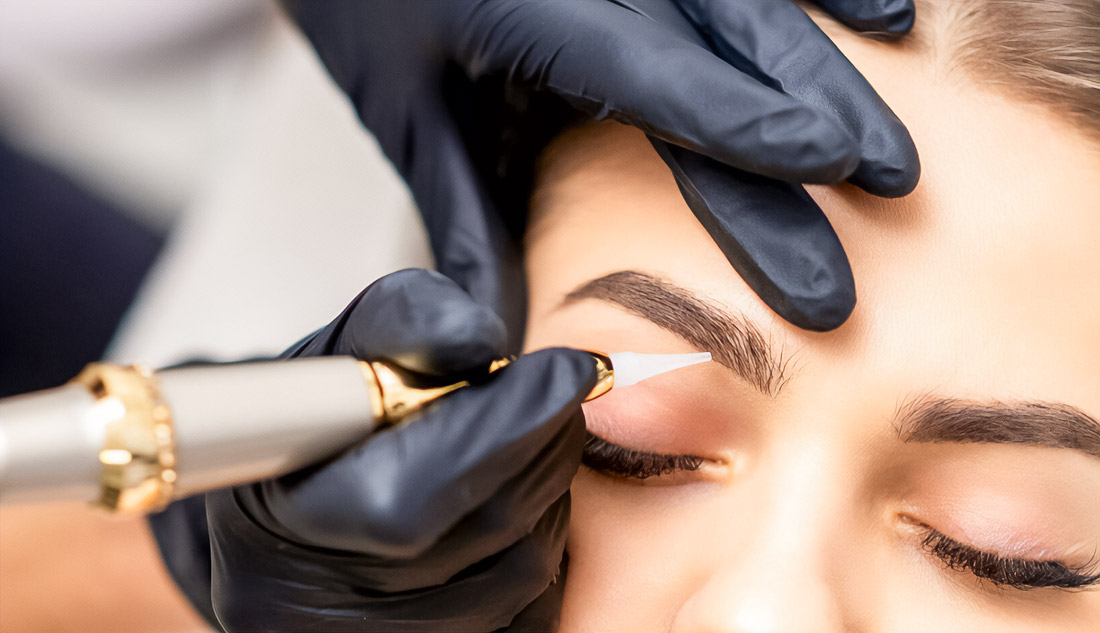
In the historical context, eyebrows have always carried a symbolic load. In ancient civilisations, the shape of eyebrows was associated with spirituality, femininity and social status.Raised eyebrows, a distinct facial shape, and facial symmetry were once valued, according to archival photos and cultural artefacts. These concepts have changed rather than vanished. and preserved in the collective memory and modern aesthetic preferences.
The evolution of beauty standards has not been linear. A focus on expressiveness took the place of periods of minimalism, and regional customs were continuously interacting with outside influences.
Regional Preferences and Cultural Differences
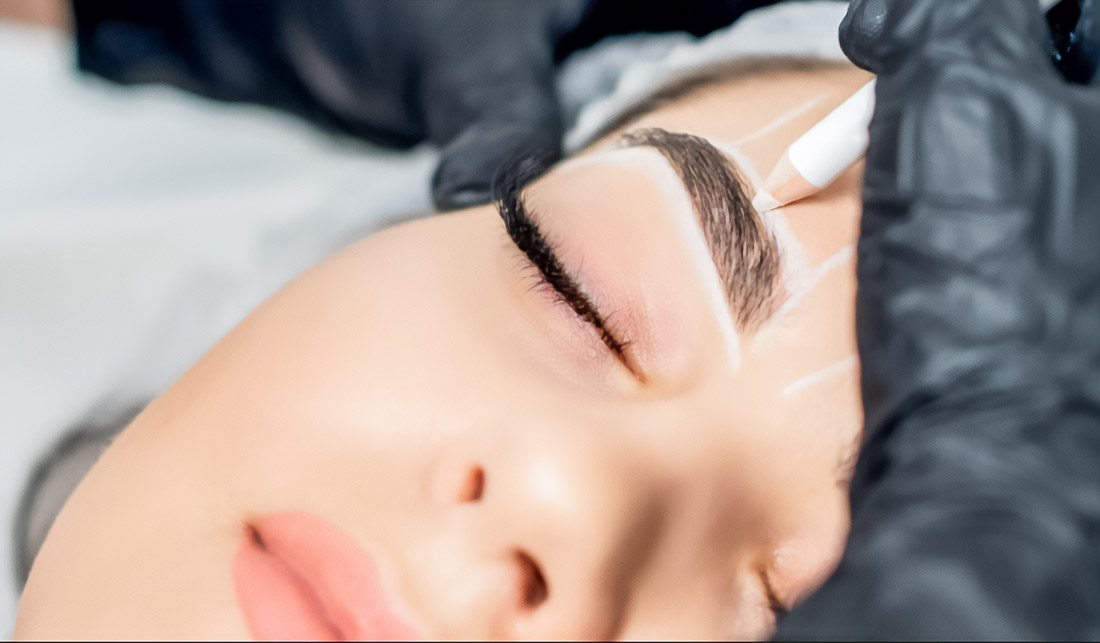
A comparative analysis shows that the universal ideas of harmony and symmetry are upheld even though eyebrows are perceived differently depending on the region.
In societies where naturalness is valued, preference is given to straight or softly defined eyebrows without a sharp curve. Here, the shape of the eyebrows maintains the balance of the face and emphasises the eyes without dominating the rest of the features. In other cultures, on the contrary, arched, raised and thick eyebrows are highly valued, which enhance facial expression and symbolise confidence, strength and individuality.
The ethnic anthropometry of a person directly influences these preferences. Studies show that the face shape, oval or round, combined with almond-shaped eyes and pronounced eyebrows is more often perceived as harmonious. At the same time, the lateral curve of the eyebrows and their thickness vary depending on the region, representing local aesthetic norms.
Eyebrows, Eyes, and Visual Perception of Beauty
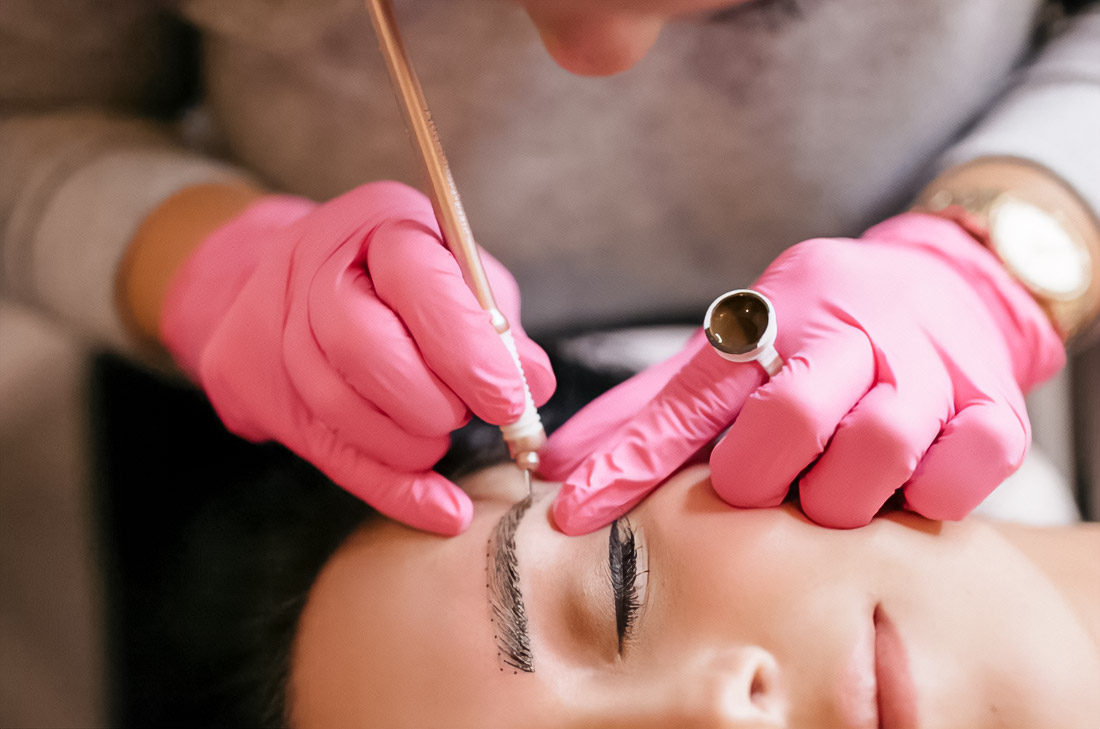
In cultures where a significant part of the face may be covered by clothing, the emphasis shifts to the upper third of the face. In such circumstances, eyebrows become the main tool of self-expression. Raised, well-defined eyebrows enhance the expressiveness of the eyes and create a sense of openness, even with minimal visibility of other features.
Anthropometry, Harmony, and Age-Related Changes

Research evidence shows that facial anthropometry differs not only between regions but also within them. At the same time, experts with 7.5 to 25 years of experience agree that facial harmony is more important than universal standards.
Age-related changes also affect the perception of eyebrow aesthetics. Over time, the position of the soft tissues changes, the heaviness of the lower third of the face increases, and the eyebrows begin to play a compensatory role. The raised shape visually “opens” the face, restoring a sense of balance and symmetry.
Identity and Self-Expression
In the context of social change and the growth of individualism, appearance becomes a way to express oneself. At the same time, most people don’t usually make significant changes but to emphasise ethnic features and preserve their natural appearance.The popularity of laminated eyebrows reflects this approach, offering refinement without loss of authenticity.
The fact that 48% of people in some places are under 20 lends more credence to this trend. The younger generation is still reliant on cultural legacy even though they are actively reevaluating beauty standards.
Social Influence and Collective Perceptions
The social environment has a major influence in shaping aesthetic preferences. Research shows that visual norms are often transmitted through communication, observation, and imitation, rather than through formal canons. More than 5,000 analysed images of women confirm that ideas about beauty are formed not by objective proportions, but by cultural selection.
Colour studies complement this picture. Experiments involving more than 100 people aged 18-29 years revealed statistically significant differences in visual preferences at a significance level of p < 0.05 and p < 0.005. This proves that the perception of beauty, including the shape and accents of the face, depends on the cultural environment and not only on biological factors.
Eyebrows are a concentrated expression of cultural differences, aesthetic ideals, and personal identity. They integrate anthropometry, history, societal standards, and personal expression. The investigation demonstrates that the harmony of the face and respect for ethnic traits continue to be universal values despite the diversity of shapes and preferences.

Snowboarder, father of 3, music blogger, hand letterer and growthhacker. Working at the nexus of beauty and function to create strong, lasting and remarkable design. I’m a designer and this is my work.