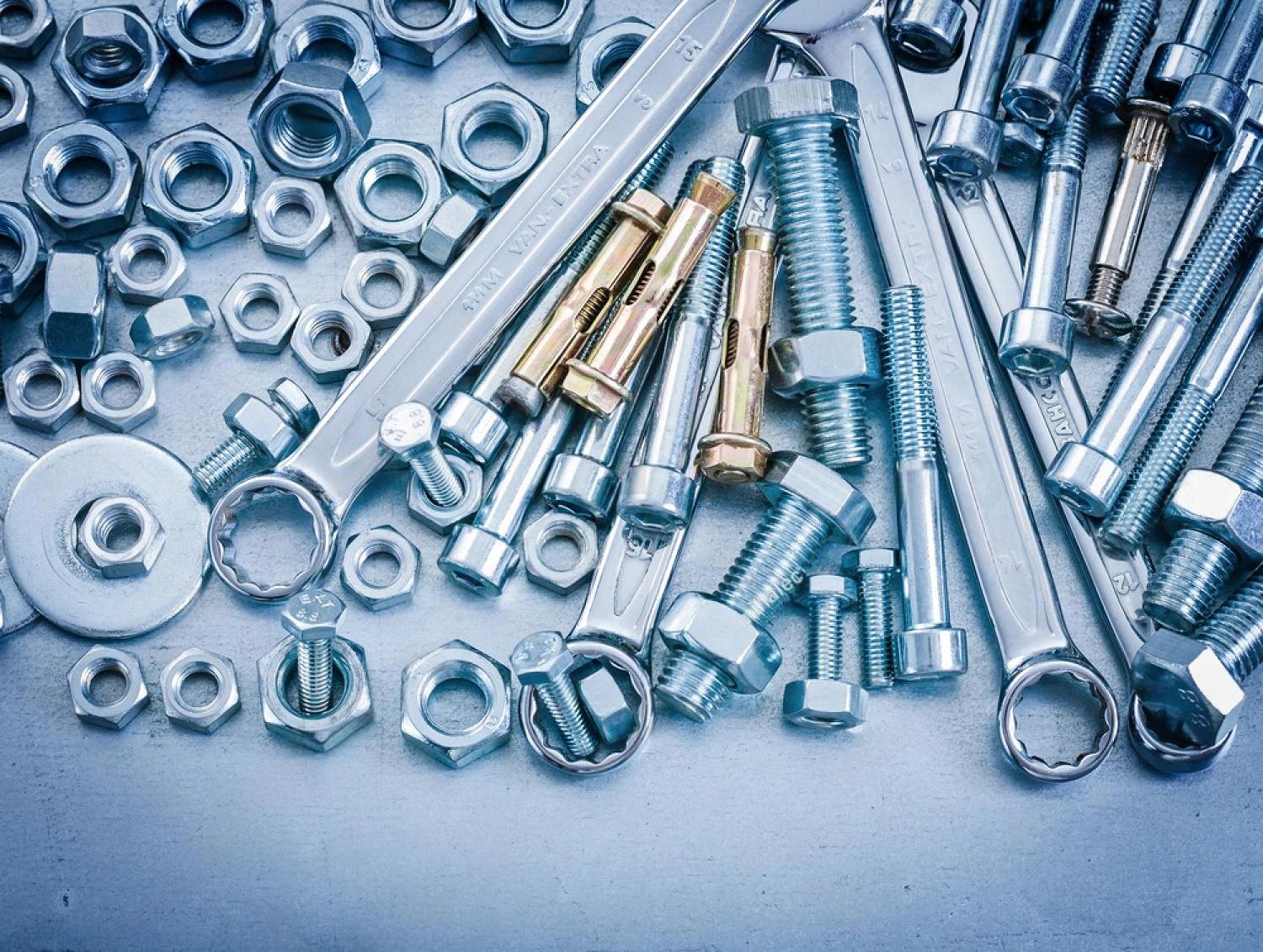
Anchor Fastening of the Safe: Why It Is Necessary
Home & office security
Anchor Fastening of the Safe: Why It Is Necessary
A safe is only as strong as the surface it sits on. In the UAE, where villas, apartments and small offices often store cash, jewellery and important documents in a domestic safe, anchor fastening is the step that turns a heavy metal box into a genuine deterrent against theft.
The core problem
Why a free-standing safe is a movable safe
Burglars almost never try to crack a safe in the owner’s living room. It is loud, it takes hours, and the risk of being caught is high. The far easier route is to pick up the whole safe, carry it to a van, and open it later in a quiet garage or warehouse. According to general guidance on residential safes most home models under 150 kg are light enough for two people to move within a few minutes.
This is exactly the scenario anchor fastening is designed to prevent. When a safe locker in the UAE is bolted through its base into a concrete floor or a solid load-bearing wall, it stops being portable. A thief now has to defeat the lock on site, in your home, under time pressure, with the noise of drills and grinders travelling to every neighbour on the floor.
Three real risks that anchoring removes
The value of anchoring is best understood by looking at what happens without it. A small, unsecured safe in a UAE apartment is exposed to at least three predictable failure modes.
- Removal from the property. The single biggest risk. An unbolted safe walks out of the front door with the intruder and is opened at leisure elsewhere.
- Relocation inside the home. Even if a thief cannot carry the safe out, they can drag it into a bathroom or bedroom, close the door, and work on it with tools brought from your own kitchen or toolbox.
- Physical tipping and falls. Compact safes placed on shelves, inside wardrobes or on top of cabinets can tip over during cleaning, moving furniture, or a child pulling on the door. A 40 kg box falling from waist height causes serious injury and can damage the locking mechanism.
Anchor fastening addresses all three at once. The safe cannot leave, cannot be dragged into a private space, and cannot fall.
How it works in practice
What proper anchoring actually looks like
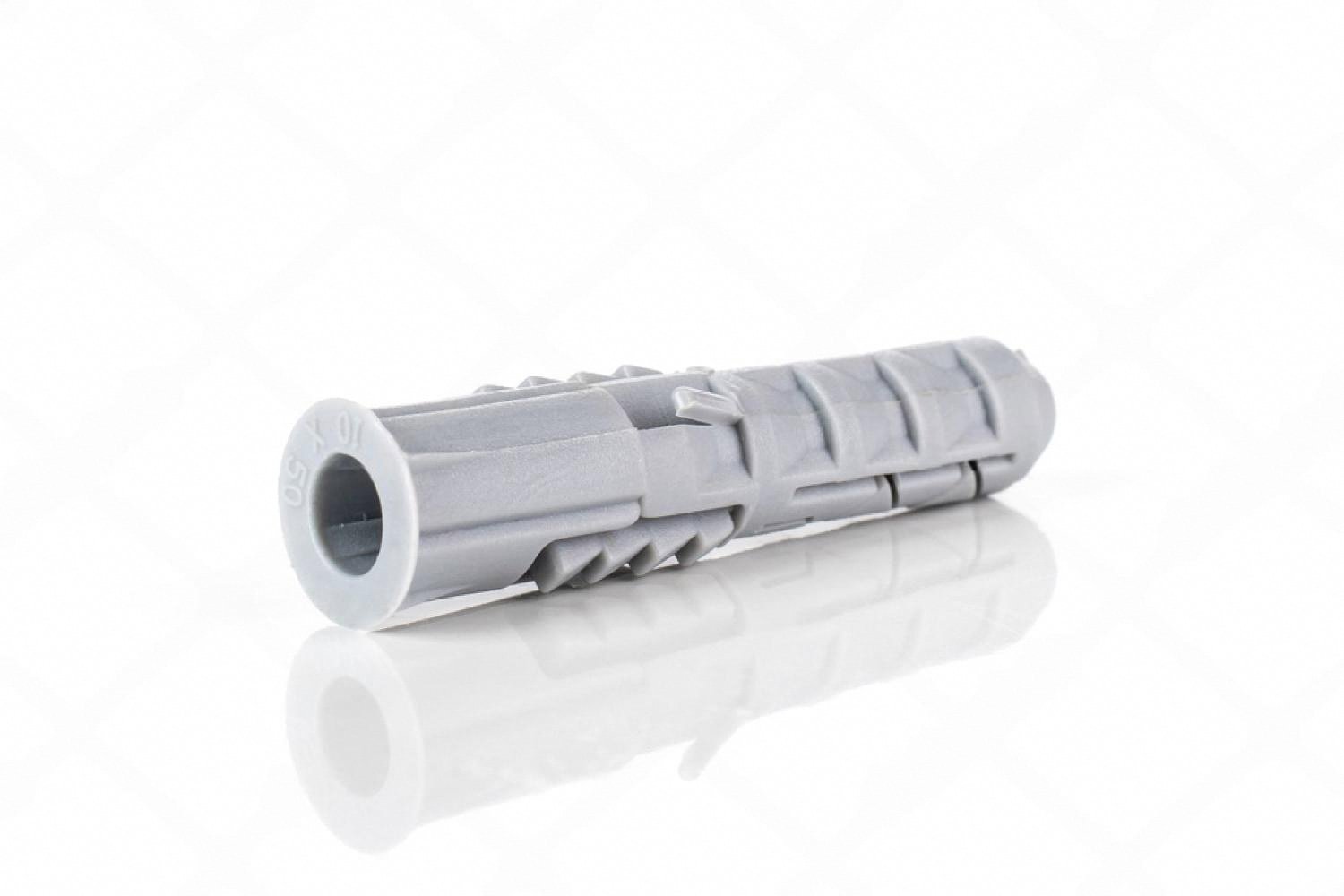
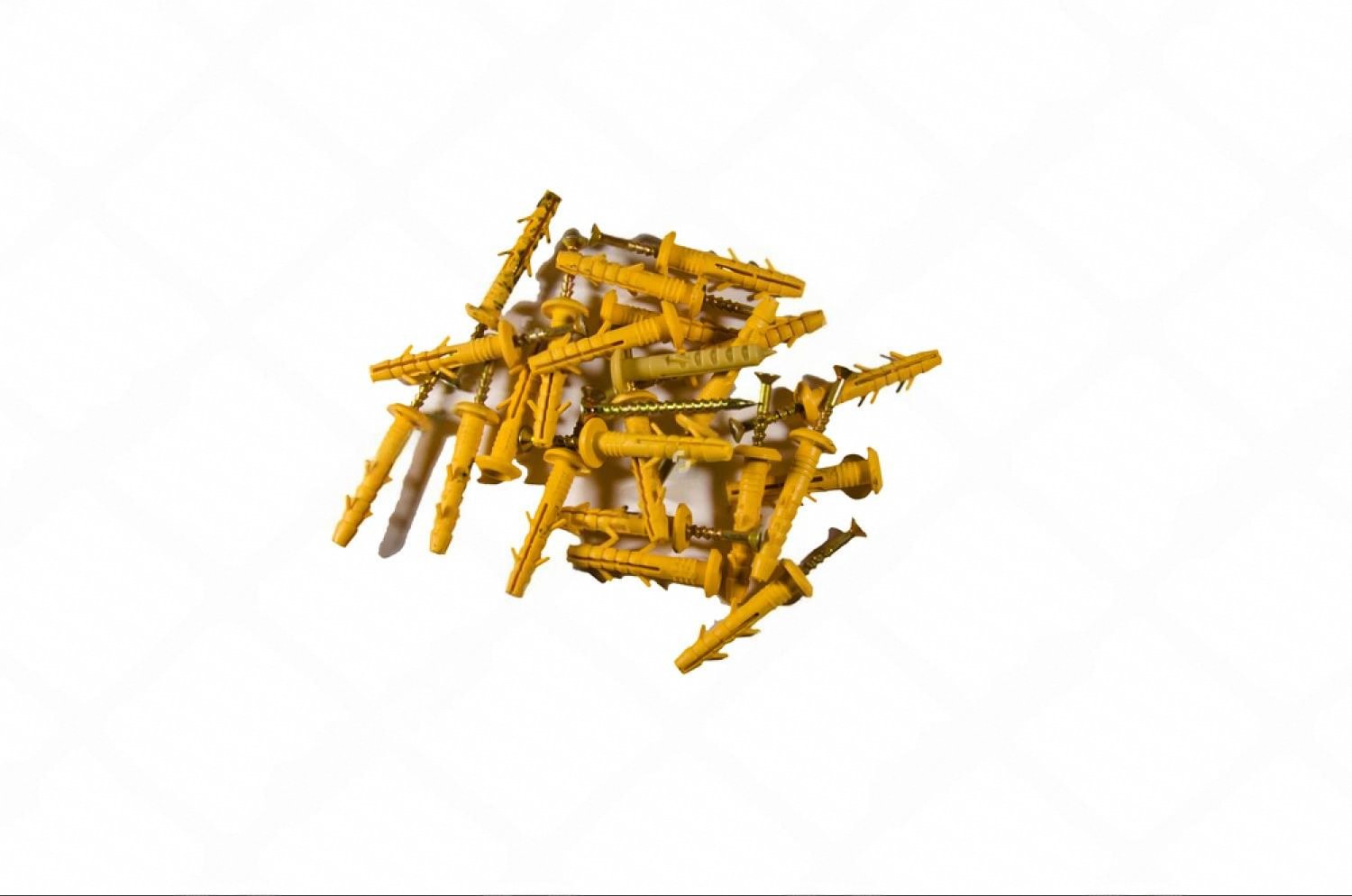
Most residential safes ship with pre-drilled holes in the base, and sometimes the back panel, specifically for anchor bolts. In a typical UAE villa or apartment, the installer will use expansion anchors or chemical anchors driven into a concrete floor slab, or into a structural wall behind the plasterboard.
The safe is positioned in a corner where two walls meet, so it cannot be levered sideways. Bolts pass through the reinforced base and expand inside the concrete, locking the safe in place. Done correctly, removing it requires destroying either the safe body or a chunk of the floor, neither of which is quick or quiet.
Five key takeaways on anchor fastening
- Anchor everything under 500 kg. Anything a determined pair can carry should be bolted down.
- Prefer floor anchoring for heavy safes. A concrete slab gives the strongest pull-out resistance.
- Wall anchoring suits smaller units. Compact safes inside wardrobes or cupboards are best fixed to a structural wall.
- Use the manufacturer’s bolt kit. The hole pattern in the base is engineered for a specific anchor diameter and depth.
- Never skip the corner placement. Two adjacent walls make prying attacks far harder and hide the safe from casual view.
Common mistake: drilling anchors into tiled flooring without reaching the concrete slab below. The tile cracks, the anchor grips only the adhesive layer, and a firm sideways pull is enough to lift the safe free.
Installation note from UAE security fitters
Beyond the bolts
What anchoring does not solve
Anchor fastening is a foundation, not a full security programme. A well-bolted safe with a weak lock, a visible location, or a hidden key under a nearby vase still fails. Combine anchoring with a decent lock rating, discreet placement, and basic access discipline, and the risk profile drops sharply. The UAE also has specific fire and building considerations worth checking with your building management before drilling into shared walls in an apartment. For general safety context on residential storage, the patterns of opportunistic burglary are well documented and consistently show that time and noise are the two things thieves avoid most.
Frequently asked questions
Do I really need to anchor a heavy safe?
Yes. Weight alone is a weak defence. A 100 kg safe can be moved by two people with a trolley in under ten minutes. Anchoring turns that scenario into an on-site attack, which is far riskier for a thief and far more likely to be interrupted.
Can I anchor a safe in a rented apartment in the UAE?
In most cases yes, but check your tenancy contract and speak to building management first. Drilling into a concrete floor or a non-shared wall is usually acceptable if you agree to patch the holes on move-out. Some landlords will allow it in writing without any deposit deduction.
Floor anchoring or wall anchoring, which is better?
Floor anchoring generally gives the strongest hold because concrete slabs are thick and dense. Wall anchoring is a good choice for smaller safes hidden inside wardrobes or cupboards, where the base is not accessible. Many installers use both for larger units.
What kind of anchors are used to fix a safe?
Steel expansion anchors are the most common. They sit inside a drilled hole and expand outward when tightened, locking into the concrete. For very heavy safes or sensitive installations, chemical anchors set with resin can offer even higher pull-out resistance.
Will anchoring damage my flooring?
Any anchor installation leaves small holes when eventually removed, typically 10 to 14 mm in diameter. On tiled floors, a careful installer will drill through the tile and into the slab to avoid cracks. The holes can be filled with matching grout or covered by the safe itself if the same footprint is reused later.
Can I install anchor bolts myself?
Technically yes if you have a hammer drill and the correct bit, but a professional install is strongly recommended. The bolt diameter, hole depth, and torque all need to match the safe’s specification, and mistakes here quietly undermine the whole point of anchoring.
How long does professional anchor installation take?
For a standard home safe under 100 kg, a two-person team usually needs 30 to 60 minutes on site, including positioning, drilling, bolting and cleanup. Larger commercial safes take longer, especially if lifting equipment is required.

Snowboarder, father of 3, music blogger, hand letterer and growthhacker. Working at the nexus of beauty and function to create strong, lasting and remarkable design. I’m a designer and this is my work.